

Meta has agreed to pay 17 billion dollars, about 14.6 billion euros, and to add new safety measures to Facebook and Instagram to settle claims brought by 47 US states over teen social media addiction, state attorneys general announced on Wednesday. The deal, one of the largest consumer-protection settlements in US history, cut short a trial that had begun the week before in Oakland, California.
The case had been closely watched, with child-safety advocates hoping to see chief executive Mark Zuckerberg take the stand. In Virginia alone the settlement is worth 353 million dollars, one of the biggest in the state’s history of consumer-protection actions, according to attorney general Jay Jones. “For years, Meta intentionally deceived the public about the addictive and harmful design features that have wreaked havoc on youth mental health,” Jones said, adding that the deal would “deliver meaningful relief.” The sum is a fraction of Meta’s 2025 revenue of 201 billion dollars.
The lawsuit accused the company of deliberately designing features to keep children hooked, from infinite scrolling to push notifications and “like” counts, while concealing internal findings about the harm and collecting data on under-13s without parental consent. Under the proposed settlement, Meta agreed to a hard cap on daily time limits, pauses for younger users, and an end to push notifications during weekday school hours. It will also introduce stronger age-assurance measures, age-appropriate content controls, more user-friendly parental tools and limits on features such as visible “like” counts.
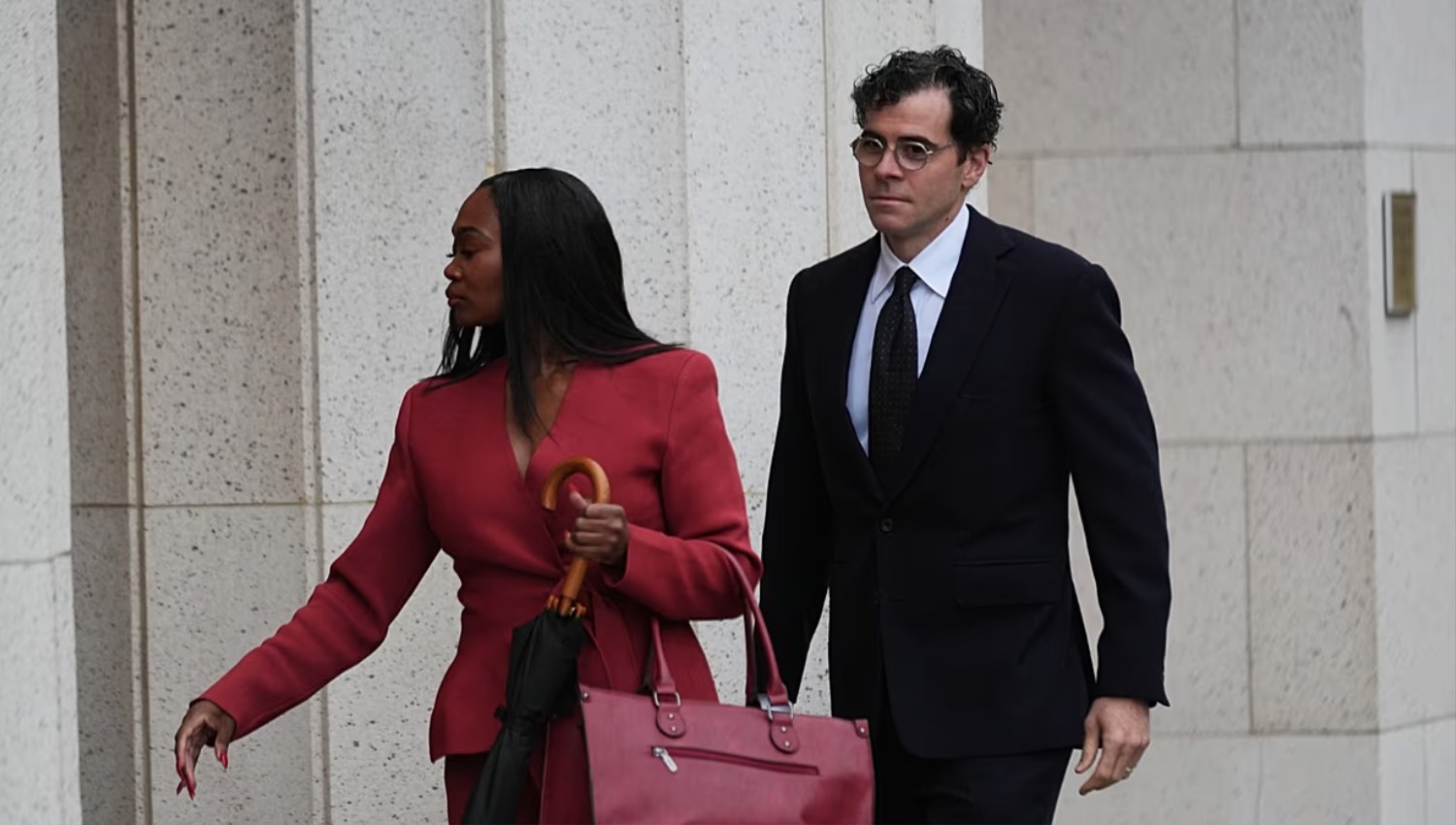
The head of Instagram, Adam Mosseri, had begun testifying on Tuesday, defending the company’s record while acknowledging that some safety tools worked and others did not, and that there were “no silver bullets.” Prosecutors pointed to the low uptake of features such as Take a Break, and an internal memo shown in court indicated Meta knew opt-in tools were not effective. Mosseri was also questioned about the “Facebook Files,” documents leaked in 2021 by former employee Frances Haugen that showed the company was aware of its platforms’ effect on teenagers.
The settlement caps a difficult year in the courts for Meta, which still faces thousands of further claims. In March, a Los Angeles jury found Meta and Google liable in a separate case in which Zuckerberg testified, and in a New Mexico case the company was fined hundreds of millions of dollars over its handling of platform safety, alongside court-ordered reforms on time limits and age controls. For the industry, the run of cases has drawn comparisons to the legal reckoning once faced by Big Tobacco.