

Norway is planning to clamp down on the use of smart glasses and similar wearable devices, citing growing concern over privacy, the government announced on Tuesday. The country’s Ministry of Digitalisation said it was seeking “stricter regulation” of the technology and urged both public and private organisations to draw up their own guidelines in the meantime.
“We see that people’s privacy and data protection are being put under pressure by new technology, so I will therefore regulate smart glasses and similar devices more strictly than today,” said Karianne Tung, Norway’s minister of digitalisation and public governance. She suggested the rules could go as far as “banning functions such as facial recognition of other people in public spaces,” and said the ministry would set up an expert group to advise on how the technology should be governed.
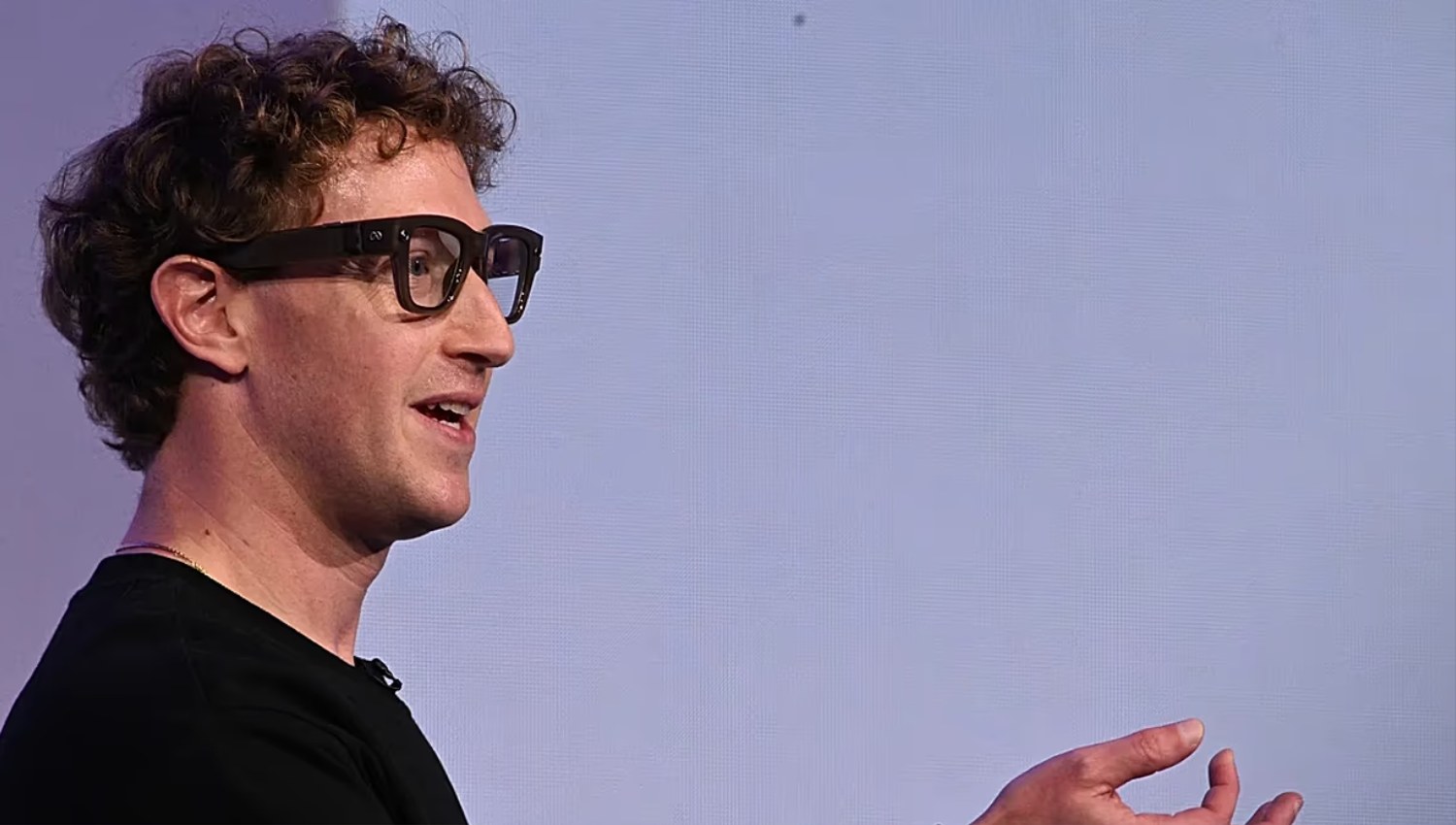
Smart eyewear is a category of wearable technology that typically combines built-in cameras, microphones and augmented-reality displays, allowing wearers to capture photos and video or project information into their field of view. The devices have moved from novelty toward the mainstream as major technology companies have pushed them into consumer markets, and their capabilities have advanced quickly.
That progress has made them increasingly contentious. Critics warn that always-available cameras and, in some cases, facial-recognition features could turn everyday eyewear into a tool for surveillance, eroding the expectation of privacy in public spaces. The discreet nature of the devices, which can record without any obvious signal to those nearby, has been a particular source of unease.
Supporters, however, point to real benefits, especially for disabled people. For those who are blind or visually impaired, smart glasses can describe surroundings, read text aloud and help with navigation. Norway’s challenge, and one facing regulators well beyond its borders, is to curb the risks without shutting off those gains, a balance the planned expert group will be asked to help strike.