

Icelanders have voted against reopening negotiations to join the European Union, settling, for now, a question that has lingered in the country’s politics since the financial crisis. In a weekend referendum, 52.5 percent rejected restarting accession talks against 47.5 percent in favour, a slim margin that laid bare a divided electorate.
The ballot did not ask whether Iceland should join outright, only whether the government should resume the negotiations it opened in 2009 and suspended in 2015. Any deal would still have faced a second referendum, so the result halts the process at its first hurdle.
Prime Minister Kristrun Frostadottir had backed reopening talks and framed the vote as a rare chance to settle the matter. Opponents disagreed. “These are not problems that Brussels will solve for us,” said opposition leader Gudrun Hafsteinsdottir, capturing the mood of the No camp.
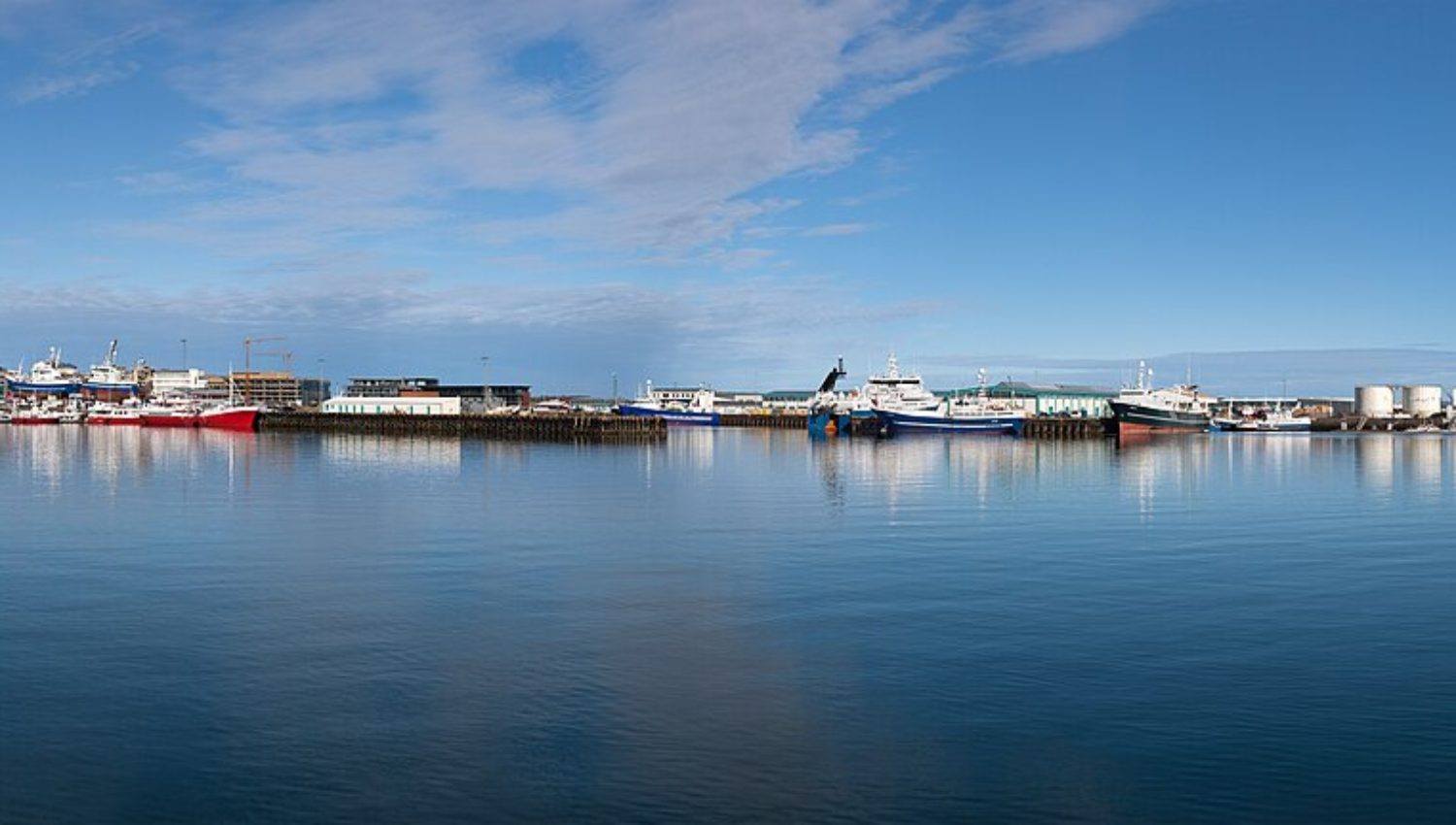
Two concerns dominated that campaign: control of Iceland’s rich fishing waters and national sovereignty. Supporters of membership pointed instead to economic stability, noting that the central bank’s rate sits near 8 percent against 2.25 percent in the eurozone, and argued that closer ties could ease stubborn inflation.
The government has said it will respect the outcome, making fresh talks unlikely before its term ends in 2028. Parliament may now weigh whether to withdraw Iceland’s long-dormant application altogether.
In practice, little changes day to day. Iceland stays inside the European Economic Area and the Schengen zone, keeping access to the single market and passport-free travel while remaining outside the bloc’s political institutions, an arrangement a narrow majority has chosen to preserve.