

Successive heat spells have roasted Europe since May, pushing temperatures to 40C and above and dragging drought and devastating wildfires in their wake. Records fell not only in traditionally hot countries such as Spain and Italy, but also in cooler ones, with Slovakia reaching 42.2C and Denmark 37C, both new national highs.
Relief was fleeting. By 19 August, France had recorded 52 days of heatwave conditions since mid-June, a record with summer not yet over. A provisional toll put excess deaths across Europe between mid-June and mid-August at around 32,000. A study by France’s OBESCA monitor found some 2.6 million people were experiencing what it calls eco-anxiety, a mix of pessimism, existential worry and isolation linked to climate change.
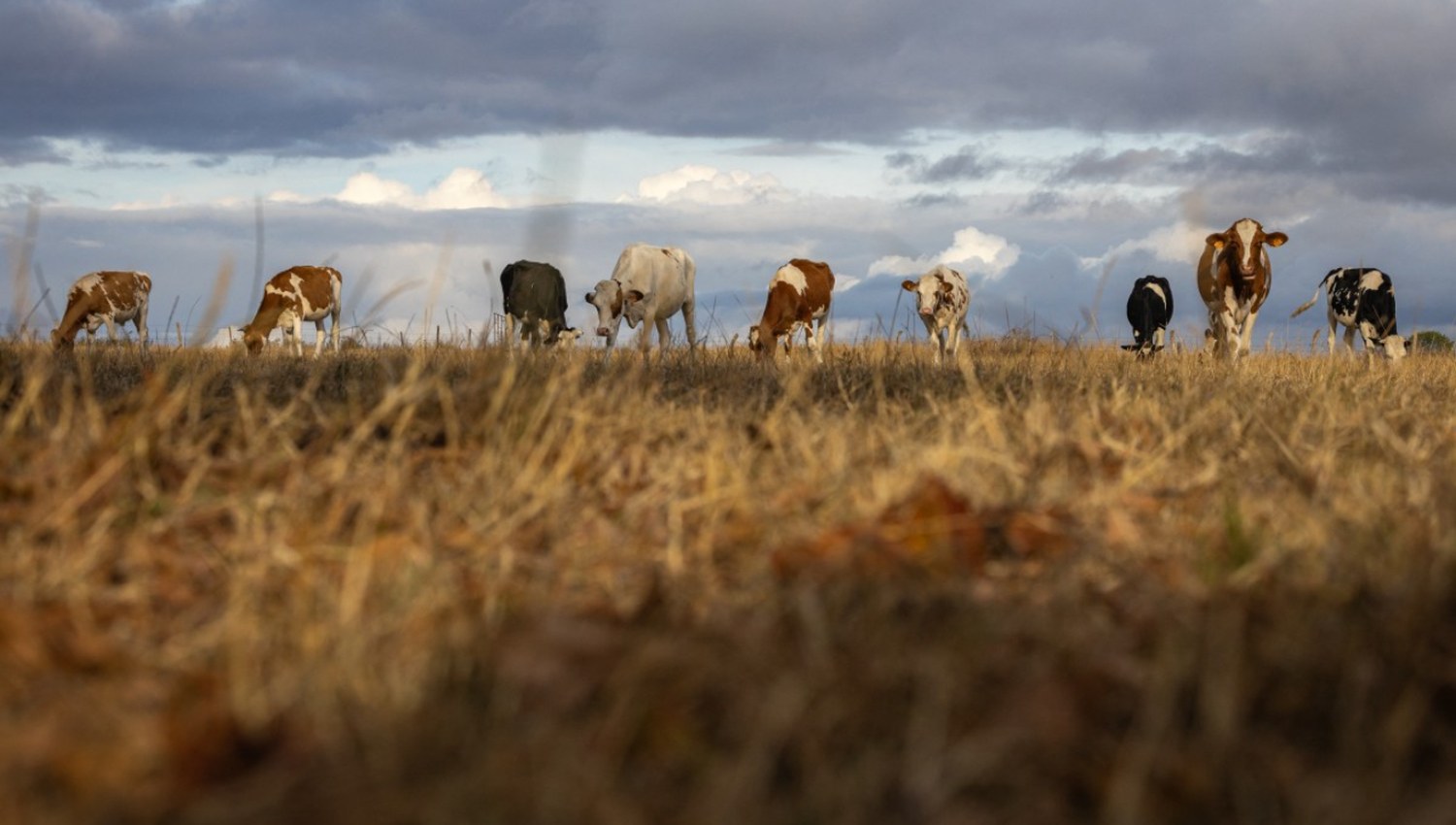
The heat fed a vicious cycle of drought and fire. By 12 August, wildfires had burned close to 600,000 hectares across the continent, including blazes in France and Spain that forced tens of thousands to evacuate. Even normally mild, wet countries were affected, with Belgium recording its largest wildfire in a century. By late July, half of Europe faced drought, and France, Switzerland, Austria and Slovenia all reported record-low soil moisture.
The strain reached rivers and power grids. Major waterways including the Rhine, Danube and Loire fell to fractions of their normal flows. Romania, Bulgaria and Hungary had to shut or curtail nuclear plants because the Danube was too low to provide cooling, while France and Switzerland reduced nuclear output over high river temperatures. In Germany, a shrunken Rhine forced river ports to close. At sea, the Mediterranean hit a record July surface temperature of 27C, with some areas more than 6C above normal, according to the World Weather Attribution group.
For many scientists, none of this was a surprise. “What we’re experiencing is what our community has been predicting for thirty years,” said Jean Jouzel, a climate scientist and former vice-chair of the United Nations’ IPCC. The pressing question, he added, is whether the continent can adapt. “We have to understand that we’re heading for catastrophe if we don’t bend the curves” of greenhouse gas emissions.