
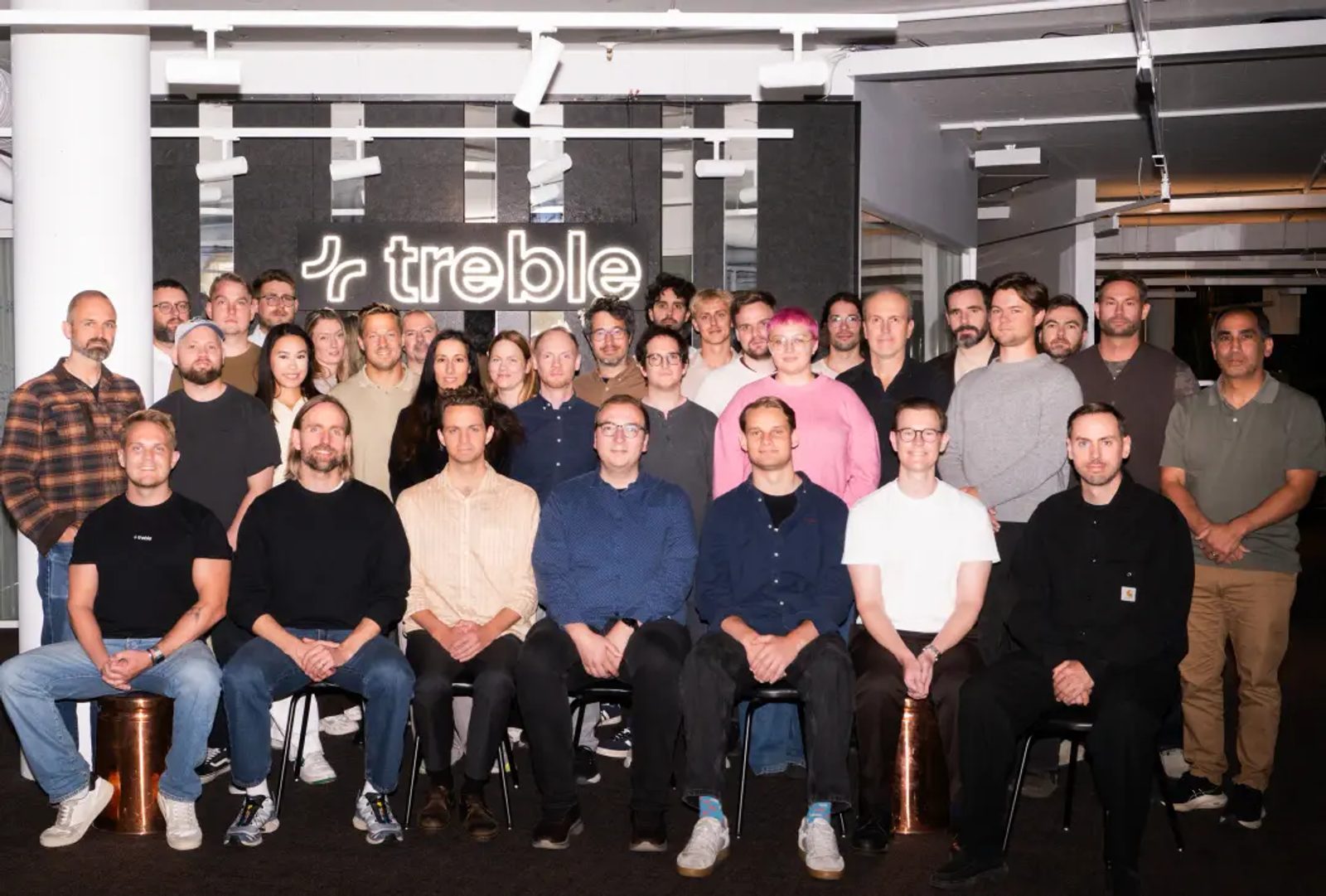

Reykjavik-based Treble Technologies has raised 18 million dollars, or about 15 million euros, in a Series A-2 round led by Paladin Capital Group. The deal, announced on 21 September, brings the company’s total funding to roughly 36 million euros. Treble develops acoustic simulation and digital twin technology that models how sound behaves inside physical spaces, letting developers generate synthetic audio data rather than relying only on recordings and hardware prototypes.
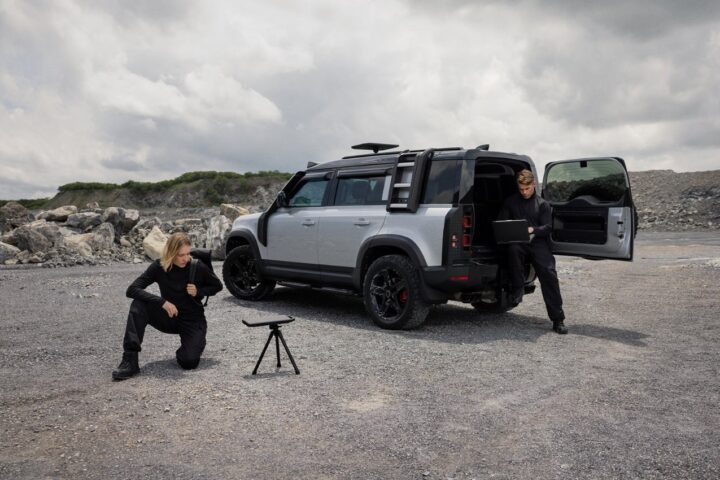
The company’s tools are aimed at products where sound is central, including wearables, head-worn devices, humanoid robots and autonomous vehicles. By simulating rooms, streets and vehicle interiors, engineers can test how a microphone array or voice assistant will perform before building the device. The firm argues that simulation can replace slow and costly rounds of physical testing in anechoic chambers and test rigs, shrinking development cycles for hardware teams.
Chief executive Finnur Pind said the gap between laboratory tests and real conditions is where many audio systems fall short. “AI models and devices that perform well in labs can struggle in real acoustic environments,” he said. The company argues that as more products embed voice, sensing and spatial audio, accurate simulation becomes a bottleneck for the whole industry rather than a narrow engineering task.
Backers pointed to customer traction among large technology firms. Wontak Kim, a senior audio research manager at Amazon, said Treble “provides an accurate and scalable way to model those environments.” Andy Harper, head of audio AI at Logitech, said the physics underpinning the simulations gave his team confidence in the results. Other investors in the round included KOMPAS VC, Frumtak Ventures and the European Innovation Council Fund.
Treble will use the capital to expand in the United States and deepen its work on audio for robotics and AI, a market that has grown as companies chase machines able to operate in noisy, unpredictable homes and factories. The round underscores Iceland’s small but active deep-tech sector, which has produced a string of companies selling specialised tools to much larger overseas customers rather than competing for domestic consumers. Treble said the fresh capital would let it hire across engineering and research as demand for realistic audio simulation spreads from consumer gadgets into robotics and vehicles.