
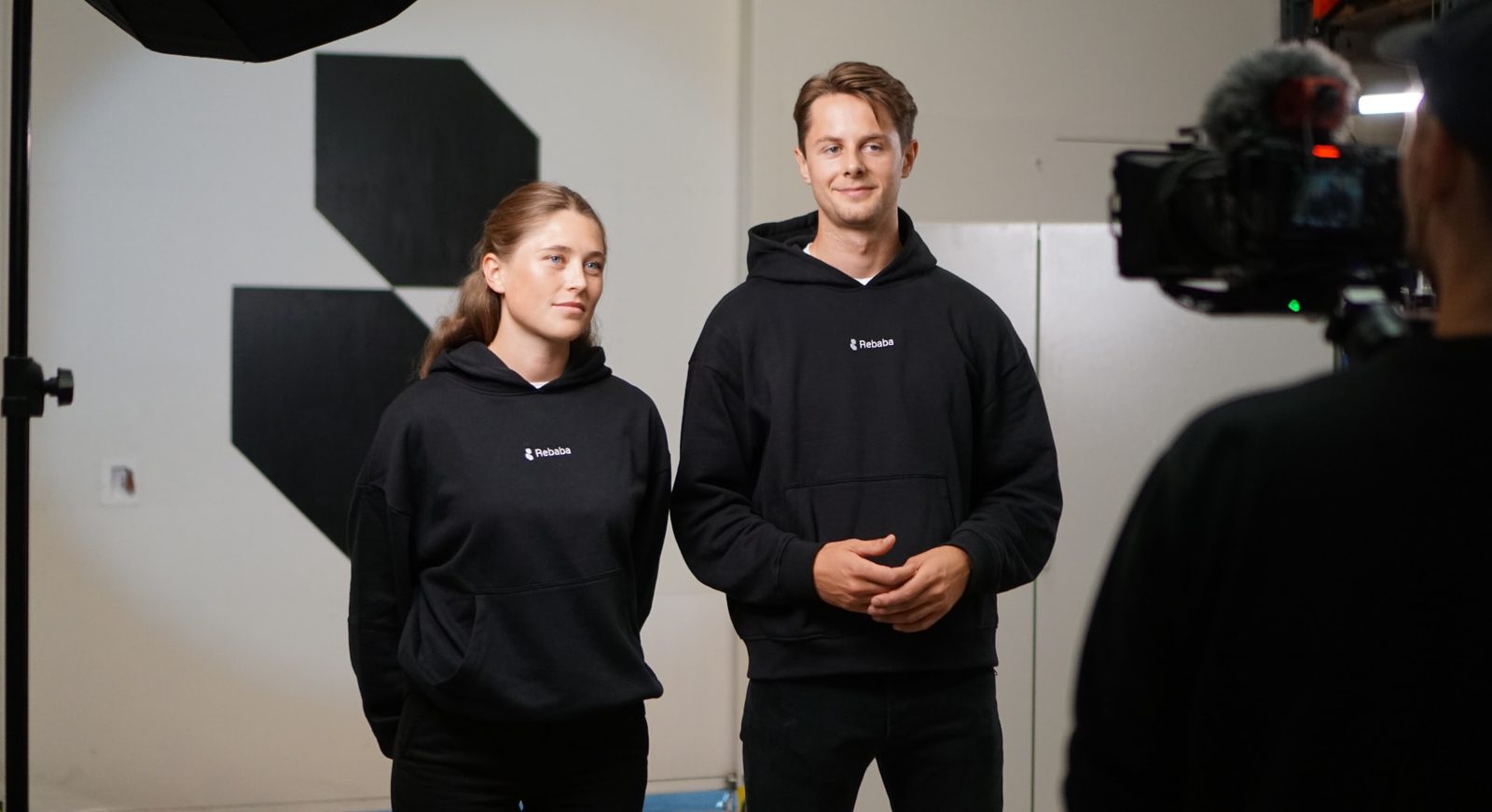

Swedish startup Rebaba has raised 4.6 million dollars, about 44 million kronor, in a seed round led by Sistafund, the company said on 15 September. Rebaba takes retired electric-vehicle batteries and pairs them with its own control systems to build energy storage for homes, businesses, industry and EV-charging sites. The pitch is that used cells still hold enough capacity for stationary storage long after they no longer meet the demands of a moving car.
The company sells two products, a 40 kilowatt-hour cabinet called Companion and a larger containerised system, and runs a Stockholm assembly site it calls CircularHub. Rebaba said it plans to expand that facility to 40 megawatt-hours of annual capacity and to add manufacturing hubs elsewhere in Europe. It argues each system is built to be moved and reconfigured, which suits sites that need storage quickly without waiting for long grid upgrades.
Co-founder and chief executive Paula Runsten said the raw material for the business is already sitting in scrapyards and warehouses. “Demand for energy storage is accelerating globally. The batteries already exist. Our job is to make reuse scalable,” she said. The approach also sidesteps some of the cost and supply risk of buying new cells, much of which are manufactured in Asia and subject to volatile pricing.
Chief technology officer and co-founder Felix Kruse said the systems were designed to work with a range of battery types, which he described as the reason behind a growing list of partnerships. Marie Geneste, a partner at Sistafund, said Europe’s shift to renewable power hinges on cheaper storage, adding that “Rebaba turns retired EV batteries into high-performance storage systems.” The round also drew support from EIT Urban Mobility and existing shareholders.
The round arrives as Europe wrestles with what to do with a rising tide of used EV batteries, a stream expected to swell as early electric cars reach the end of their road lives. Reuse sits between recycling and disposal, and companies like Rebaba are betting that giving cells a second job will prove both cheaper and cleaner than shredding them for raw materials, while helping utilities and businesses store more renewable power on the grid.