

Denmark has introduced a bill that would make it illegal to share realistic deepfakes of a person’s face or voice without their consent. The proposal, presented on 8 October, changes the country’s copyright law and covers ordinary people as well as performing artists. It would give everyone a say over realistic digital copies of their own likeness.
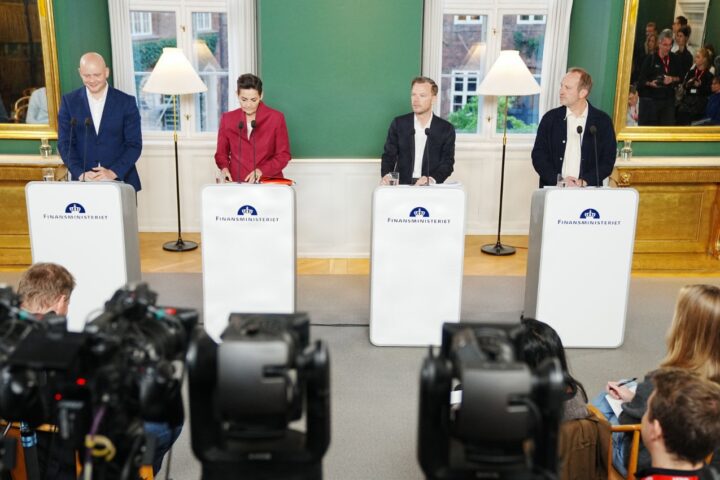
Deepfakes are images, videos or audio created or altered with artificial intelligence so that someone appears to say or do something they never did. They can be used to spread false information or to humiliate the people shown. Culture minister Zenia Stampe said AI now lets anyone produce manipulated pictures and videos in a few clicks and post them on social media. She said a central aim is for large platforms to remove such material fast: “to get the tech giants to take down manipulated content quickly”.
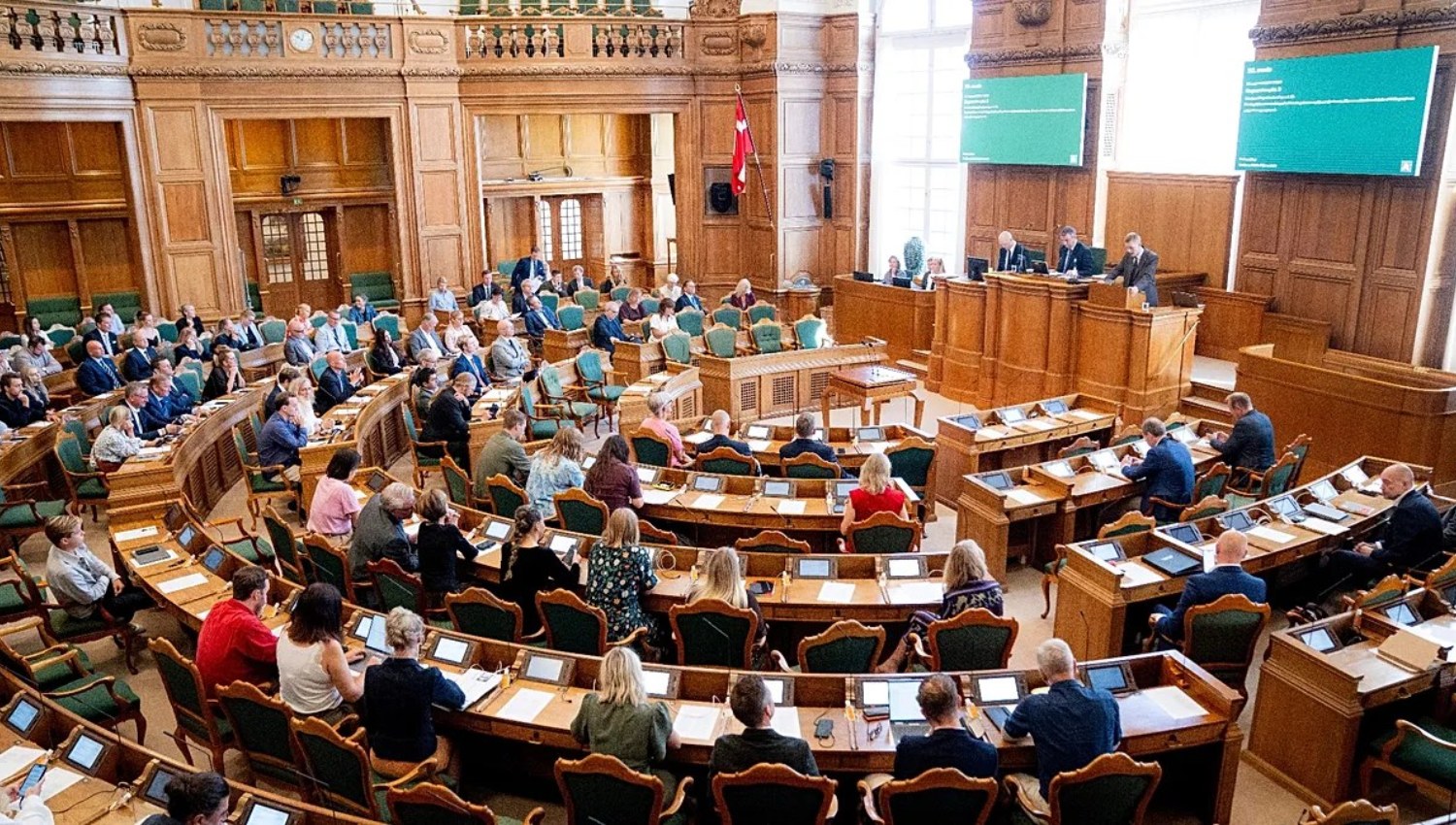
The bill gives artists protection against digital imitations of their performances, alongside the general protection for everyone else. It also sets out exceptions for satire, parody, caricature and criticism of people in power or of society. Those exceptions do not extend to misinformation that seriously threatens other people’s rights, essential interests, life or property. The minister hopes the law can take effect at the start of 2027, which would leave only a short gap between its passage through parliament and its entry into force.
The proposal builds on a broad political agreement reached in June 2025 by Jakob Engel-Schmidt, who was culture minister in the previous government. Denmark is moving on its own track because it has opted out of EU justice and home affairs rules, so it is not bound by the bloc’s directive on violence against women. That directive requires member states, by 14 June 2027, to criminalise making and publishing sexually explicit manipulated material without consent where serious harm is likely.
Other European countries have taken different routes. France already bans sharing AI-generated images or audio of someone without consent when it is not obvious or disclosed that the content is artificial, and separate French rules forbid sharing sexual deepfakes without consent whether or not they are labelled. In England and Wales, creating or requesting non-consensual intimate deepfakes became a criminal offence in February, and sharing such images can lead to up to two years in prison.