

Danish energy group Ørsted is buying out its partners in the Gunfleet Sands 1 & 2 offshore wind farm off the Essex coast, paying roughly £15 million ($20 million) for the 49.9 per cent of the project it does not already hold. The purchase lifts Ørsted’s stake from 50.1 per cent to full ownership, and the company expects the deal to close in November 2026, subject to customary conditions.
The transaction is not the result of a fresh round of talks with the co-owners. Ørsted is exercising a buyback right that already sat in the contracts governing the partnership, which gave it the option to reclaim the minority share at a later stage. Because the mechanism was agreed in advance, the deal has a short path to completion, with only the usual closing conditions left to satisfy before the remaining stake changes hands.
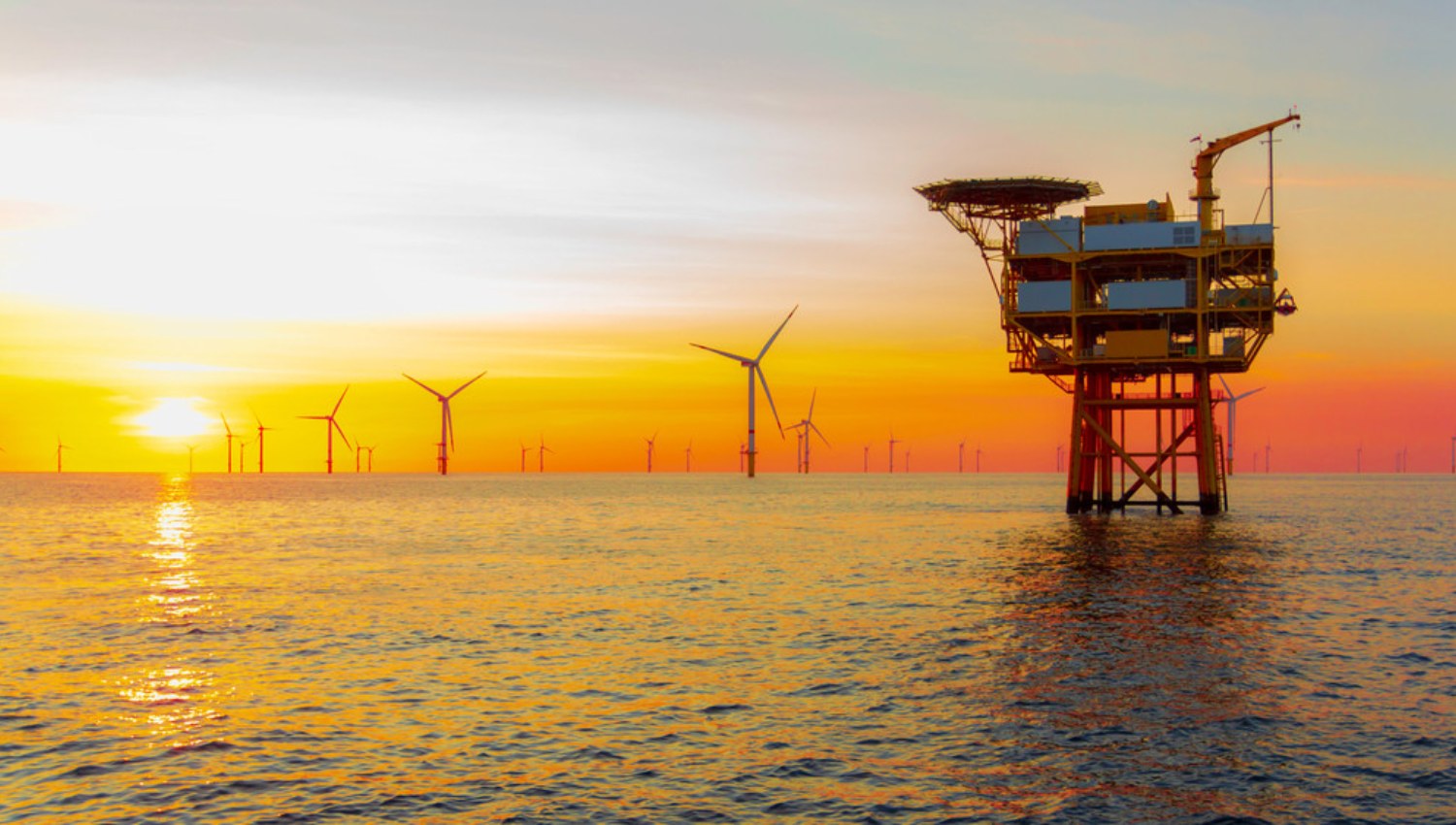
Gunfleet Sands has a capacity of 172 MW and lies about seven kilometres from the Essex shoreline. It has been producing electricity since 2010, and Ørsted says the site supplies more than 125,000 UK households a year. The farm is one of 12 offshore wind farms the Danish company runs in the UK, and Ørsted puts the combined output of that British fleet at about 7 per cent of the country’s electricity.
For Ørsted, the main gain is control rather than capacity. As sole owner it can make decisions on operations and investment at the site without needing the agreement of partners. That includes the question of whether to extend the farm’s operating life beyond its original plan. The company has not formally decided on a life extension, but full ownership means that any such move, and the spending that would come with it, would be a decision for Ørsted alone. Choices on maintenance, upgrades and how long the turbines keep turning can now be made by a single owner instead of being shared between several.
The price is small next to the scale of Ørsted’s British business, and the purchase adds no new megawatts to the grid. What it changes is who sets the course for one of the older sites in the UK offshore fleet, now more than 15 years into operation. The open questions are the November completion and how Ørsted chooses to manage the farm’s later years once the remaining stake has passed to it.