

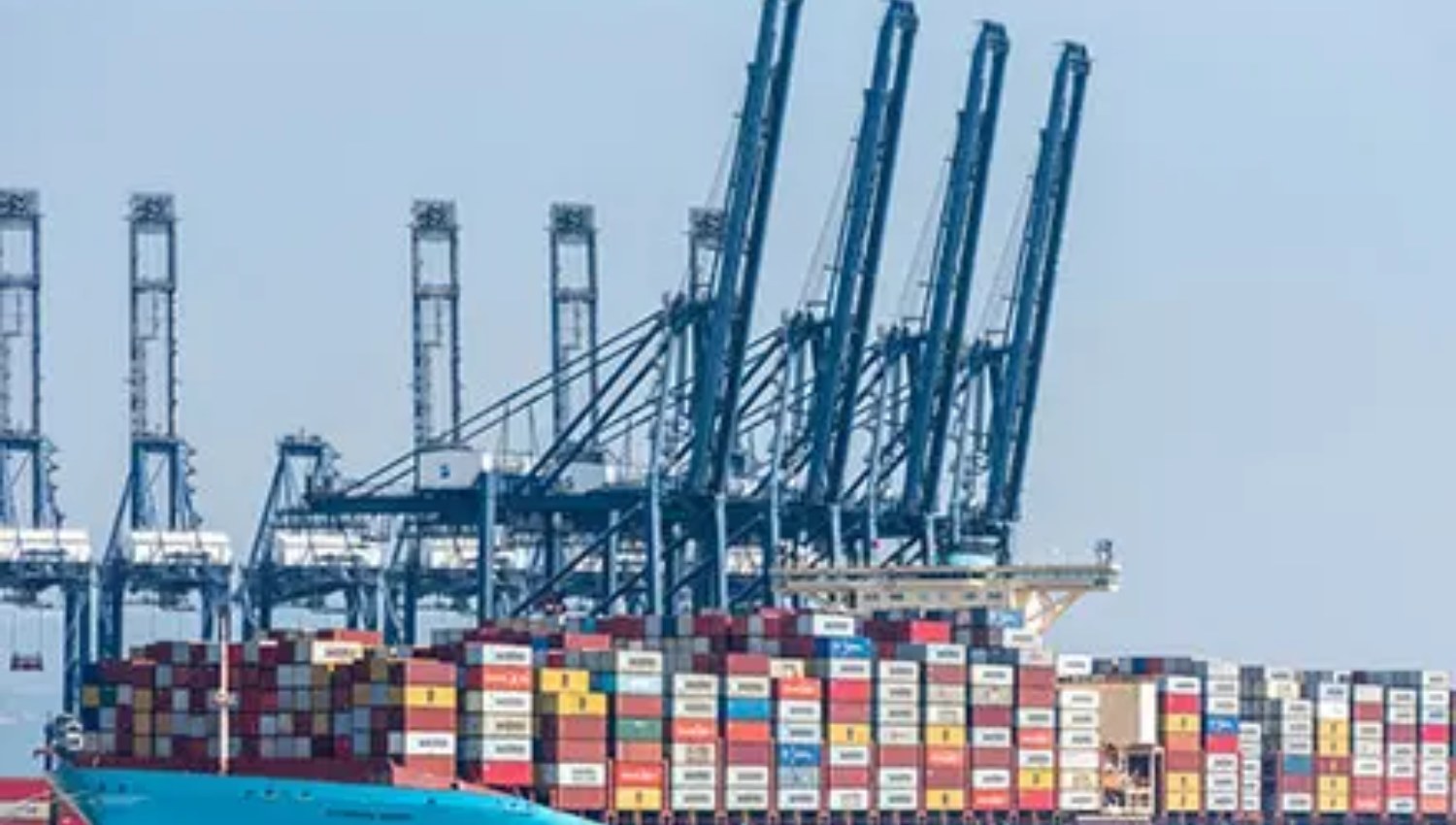

Danish shipping group Maersk ordered 26 container ships in September, each with a capacity of 18,600 TEU, taking its order book to 131 vessels according to Alphaliner. The new ships are due for delivery in 2029 and 2030 and will bring the fleet to 882 vessels, a 16 per cent increase in tonnage.
The order marks a change of direction. For the past decade Maersk concentrated on integrated logistics, linking factories, warehouses, ports and customers in an effort to rely less on ocean freight. Chief executive Vincent Clerc signalled the shift in September, saying “We’re going to need more ships” and that the company would play more assertively in the market. Maersk wants to defend its ranking, keep its service coverage and cut its dependence on chartered tonnage. Its fleet has already grown by about a fifth since the Covid-19 pandemic.
Rivals have been expanding faster. MSC overtook Maersk as the largest container carrier in 2022 and now runs 1,015 vessels, based on Alphaliner data cited by the Financial Times. CMA CGM has 160 ships on order and expects to become the second-largest carrier in 2027, with some vessels above 24,000 TEU, although those giants can only call at ports with enough depth and infrastructure. Maersk chose not to order the biggest ships available, citing flexibility. In February it ordered eight 18,600 TEU vessels from China’s New Times Shipbuilding, each 366 metres long and 58.6 metres wide with dual-fuel engines.
Clerc argues the economics of shipping have changed. The pandemic, attacks in the Red Sea and diversions around Africa lengthened voyages and soaked up capacity, supporting freight rates. Between 2000 and 2020, he says, profit and loss cycles were roughly symmetrical, but persistent port congestion could now put a higher floor under prices. In the second quarter Maersk reported EBITDA of $3 billion and operating profit of $1.6 billion, and it later raised its full-year guidance for 2026.
The risks are plain. Linerlytica data reported by The Loadstar in September shows a record industry order book of 1,925 ships, or 15.6 million TEU, equal to more than 45 per cent of the existing fleet. In February Maersk warned that new ships and a possible return to Red Sea routes could weigh on 2026 earnings, forecasting EBITDA of $4.5 billion to $7 billion against $9.53 billion in 2025. Lars Jensen of Vespucci Maritime has questioned whether every major carrier can grow at once in what he sees as a zero-sum market, and an easing of disruption could leave the industry with too many ships and falling rates.