
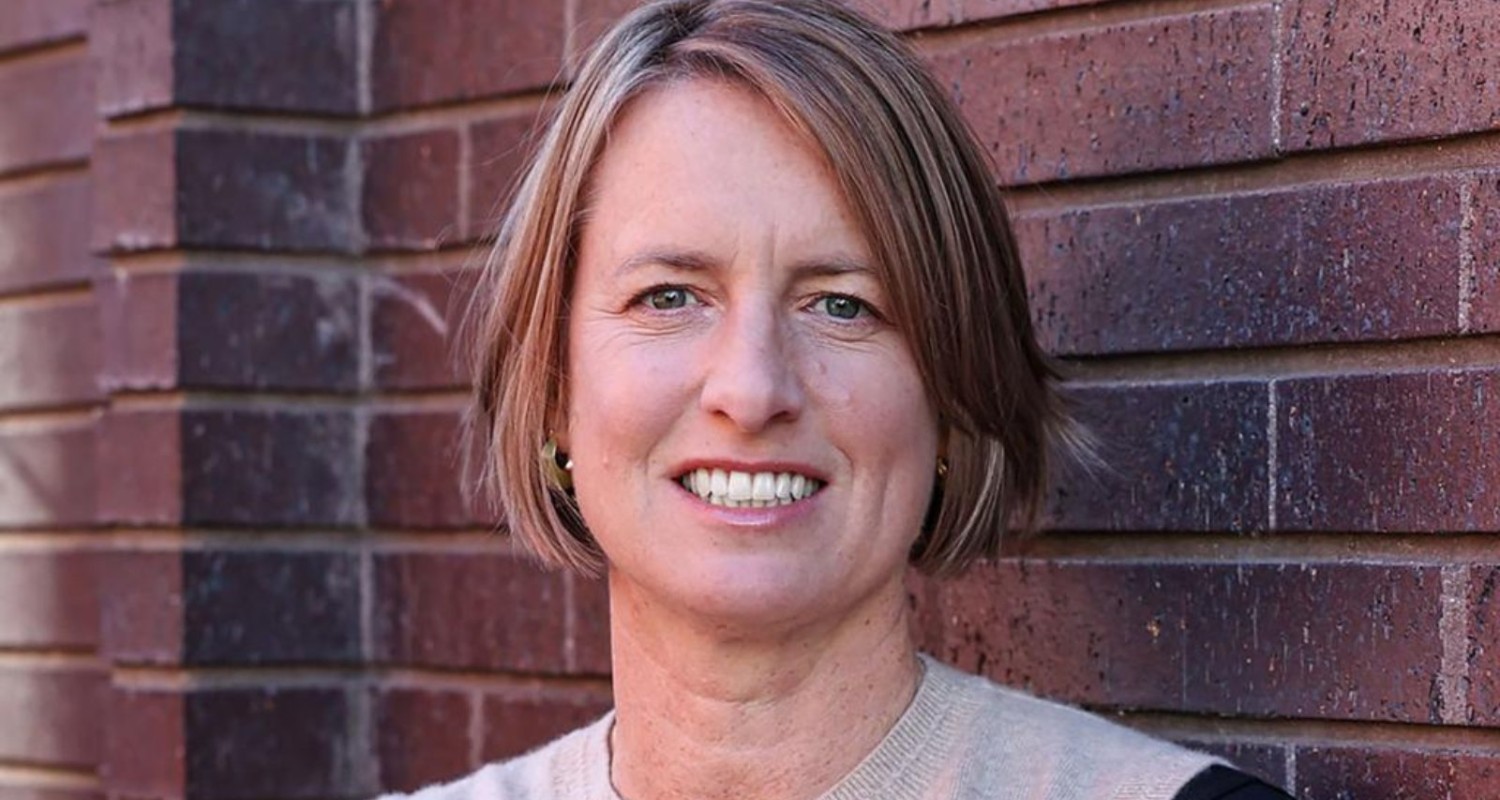
The BBC has appointed Rachel Jupp as director of BBC News, filling the role nearly a year after Deborah Turness said she would step down. Jupp, a former editor of Panorama who has recently led the corporation’s editorial work on generative AI, will be responsible for about 4,500 staff and will join the BBC’s executive committee.
Jupp began her career in broadcast news at Channel 4 News in 2005, where she became head of home news. She moved to the BBC in 2013 as deputy editor of Newsnight and was named editor of Panorama in 2016, a post she held for four years. She later worked as editorial executive for BBC Content, and most recently she has been based in the US, overseeing the BBC’s editorial approach to generative AI. She left Panorama several years before the programme broadcast the episode that led to Turness’s departure.
Director-general Matt Brittin called her “an outstanding editorial leader” and praised her news judgement, fairness and high standards. Jupp said she wanted to champion independent and impartial journalism and deepen public trust in the BBC. She will be paid £400,000 a year. Turness started on a similar salary in 2022, which had risen to between £445,000 and £449,999 in her final year. Jonathan Munro, who has run the news division on an interim basis for the past 11 months, will return to his job as deputy director.
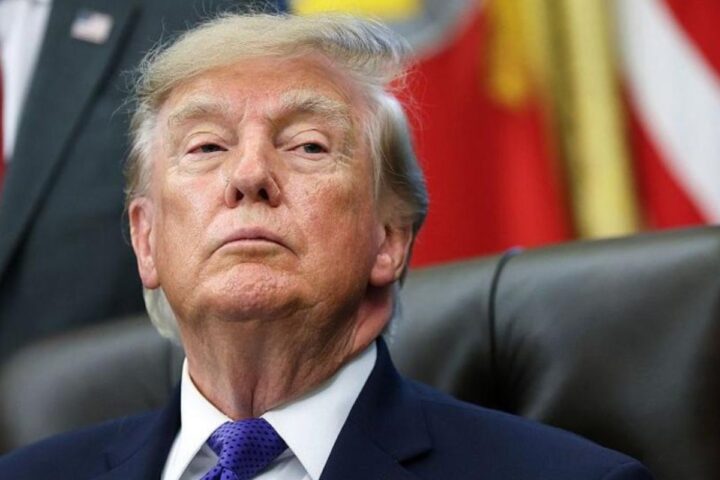
Turness resigned last November after a leaked internal memo showed that a Panorama episode had edited a 2021 speech by President Donald Trump in a misleading way. The then director-general, Tim Davie, also stepped down and was replaced by Brittin earlier this year. Trump has filed a $10 billion lawsuit against the BBC. The corporation apologised for the edit but rejected his demand for compensation, and the case is scheduled to go to trial in the US in 2027.
Jupp takes over during a period of deep cost cutting. Around 550 job closures have been announced in BBC News so far, with more expected, and the BBC as a whole plans to cut between 1,800 and 2,000 roles to save £500 million over two years. The BBC’s culture and media editor, Katie Razzall, said it was “significant” that Brittin had picked someone with experience of using artificial intelligence to lead his news teams.