
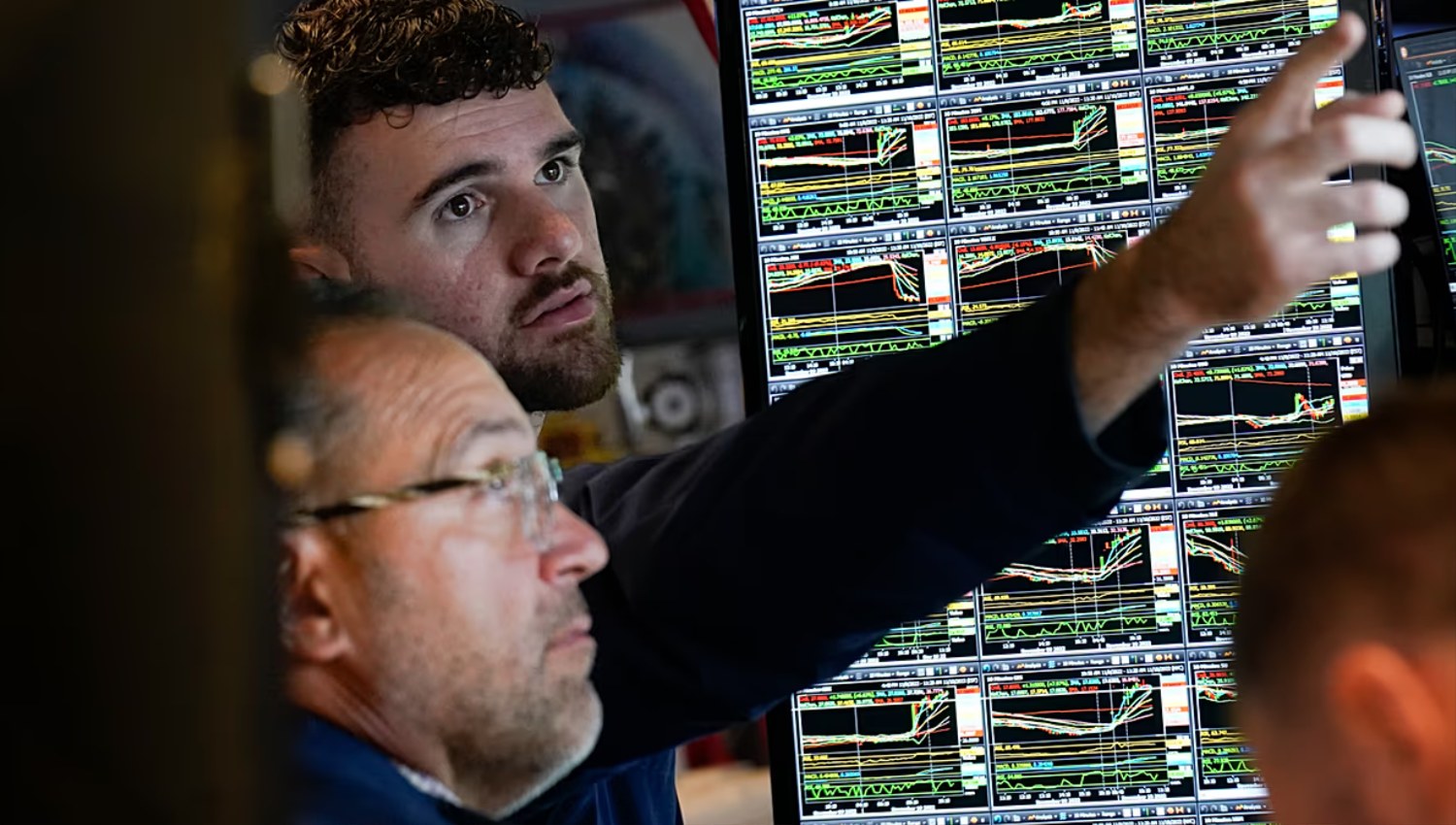

A week-long rally has pushed Bitcoin back above 79,000 dollars, with gains of more than 20% in a matter of days, driven by fresh flows into spot Bitcoin ETFs, expectations of greater liquidity in the United States and a squeeze on traders betting against the cryptocurrency. But the story carries a distinctly Italian twist, because the country’s richest man built his fortune at the very heart of the crypto economy.
At 62, Giancarlo Devasini is chairman of Tether, the company behind USDT, the world’s largest stablecoin. Forbes estimates his fortune at 89.3 billion dollars, making him the world’s 23rd-richest person and, for the first time since 2007, placing an Italian other than a member of the Ferrero family at the top of the national wealth ranking. His estimated wealth is nearly double the 48.8 billion attributed to Giovanni Ferrero.
To say Devasini got rich “with Bitcoin” is not quite accurate. His fortune rests on Tether, whose USDT token is designed to hold a value close to one US dollar and functions as a kind of transit currency, letting traders move money between exchanges without returning to the banking system. By the end of 2025 more than 186 billion USDT were in circulation, and Tether reported over 10 billion dollars in profit for the year, with direct holdings of US Treasuries exceeding 122 billion. Forbes estimates Devasini owns around 45% of the company.
His path to digital finance was an unusual one. Born near Casale Monferrato in northern Italy, he trained as a doctor and specialised in plastic surgery before moving into IT and e-commerce. According to a Financial Times investigation, one of his earliest appearances in the Bitcoin world came in 2012, when he offered to sell CDs and DVDs for bitcoin on an online forum. He later became a central figure at the exchange Bitfinex and then at Tether, which began as Realcoin in 2014.
Despite his wealth, Devasini has stayed in the shadows, giving few interviews and leaving Tether chief executive Paolo Ardoino as the company’s public face. His profile rose when Tether moved into Italian football, buying a stake in Juventus in early 2025 and building it to around 11.5% of the club’s share capital, becoming its second-largest shareholder after Exor and gaining a board seat. It was a striking pairing of digital finance and one of the country’s most traditional institutions, and yet the phantom billionaire himself remains, as ever, a discreet figure behind a company that moves hundreds of billions of dollars.