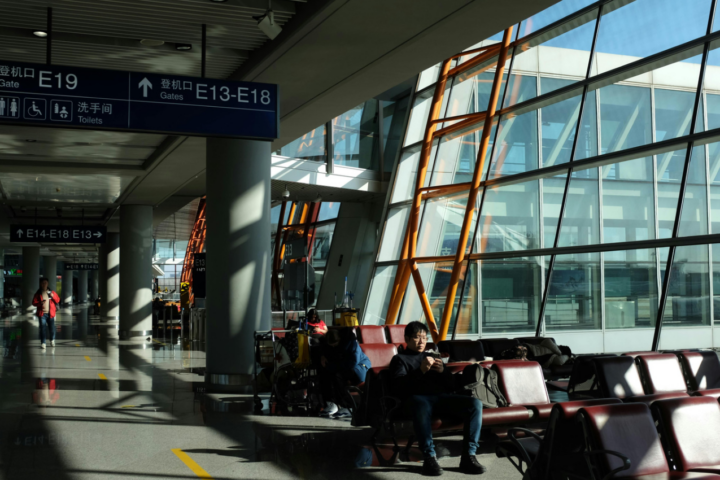


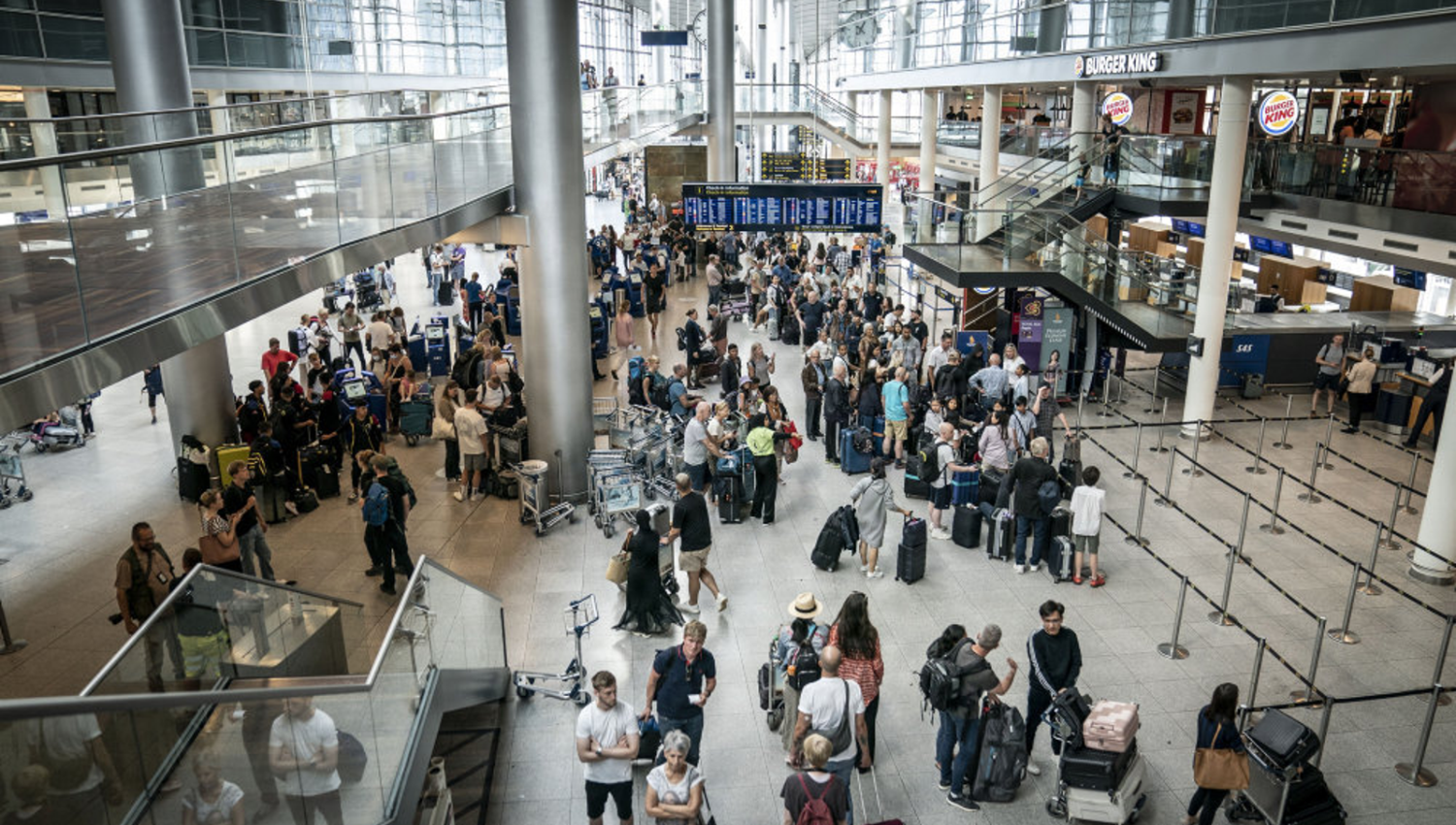
Copenhagen Airport chief executive Christian Poulsen is pushing for a planning framework that would let the airport grow its terminals, make room for bigger aircraft and relocate and shorten a runway, lifting potential capacity to as many as 55 million passengers a year.
“Denmark is deeply dependent on connections to the rest of the world,” Poulsen said, describing the country as a small, open economy. Those links give Danish companies access to markets and bring in tourists and investment, he said, which is why a flexible framework is needed now so the airport can grow in step with the country’s needs.
The Danish Planning and Rural Development Agency, a government body, is drawing up the framework and expects to finish in 2028. Development would stay inside the airport’s current boundaries and happen as demand rises, with each project needing its own permit before building starts. The airport expects around 34.5 million passengers in 2026, 2.1 million more than a year earlier.
Under the proposal, new aircraft stands, including some for newer and larger planes, could be added in the northwestern part of the site. Relocating the crosswind runway and making it shorter would free up more space to build on, and terminals and passenger areas could also grow. The airport says newer aircraft need more space than older models but carry more people, are quieter and usually have a smaller carbon footprint.
The 55 million figure assumes the framework is used in full, and the airport says expansion would track Denmark’s need for capacity. It cites an International Air Transport Association estimate that global demand for flying will more than double by 2050, and says roughly one-third of Danish export value is shipped through Copenhagen Airport. By 2030, the company estimates, the airport and aviation could account for 35,000 extra jobs and raise their combined GDP contribution to 90 billion Danish kroner, up from 60 billion.
Poulsen acknowledged that a busy airport also has costs for the environment and said the company must keep looking for ways to reduce them, so that more routes and passengers do not bring a matching rise in noise and pollution. Plans include extending and raising the earth embankments that dampen noise, and work is under way on sound-absorbing cladding for buildings. The layout will continue to keep taxiing routes as short as possible to limit air pollution from running engines.
Based on reporting by Bernardo Basilici Menini for The Copenhagen Post, November 24, 2026.